









Project Overview
After four centuries spent bearing witness to the history the Louvre, the Cour du Sphinx is in need of restoration! From the historic glass roof which covers it, to its famous Le Vau wall, to the works it houses and how they're displayed, the Cour du Sphinx is ready to start a new chapter.
Since 1661, the courtyard has undergone many changes, and evidence of each stage in its evolution can still be seen today. To better understand the challenges facing it in 2026, we must first look back at its history.
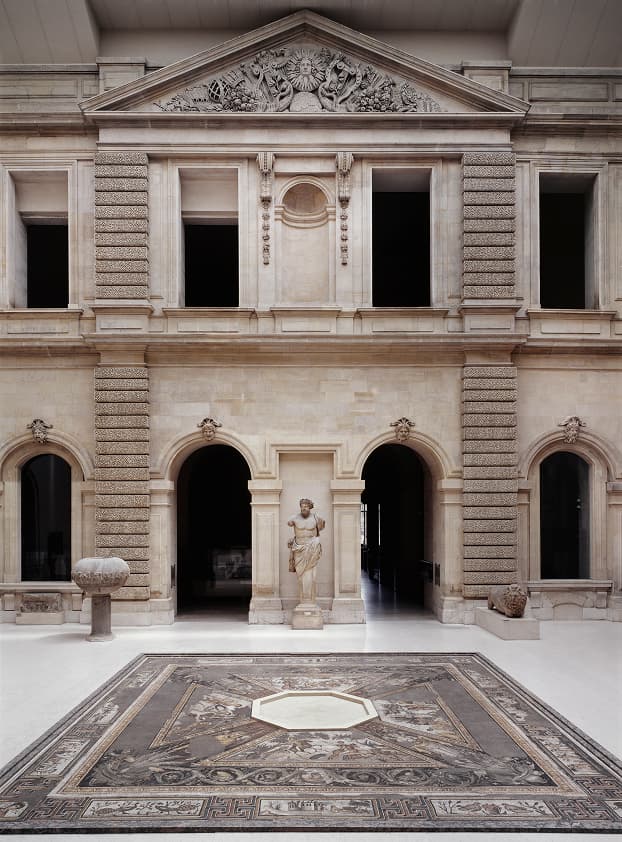
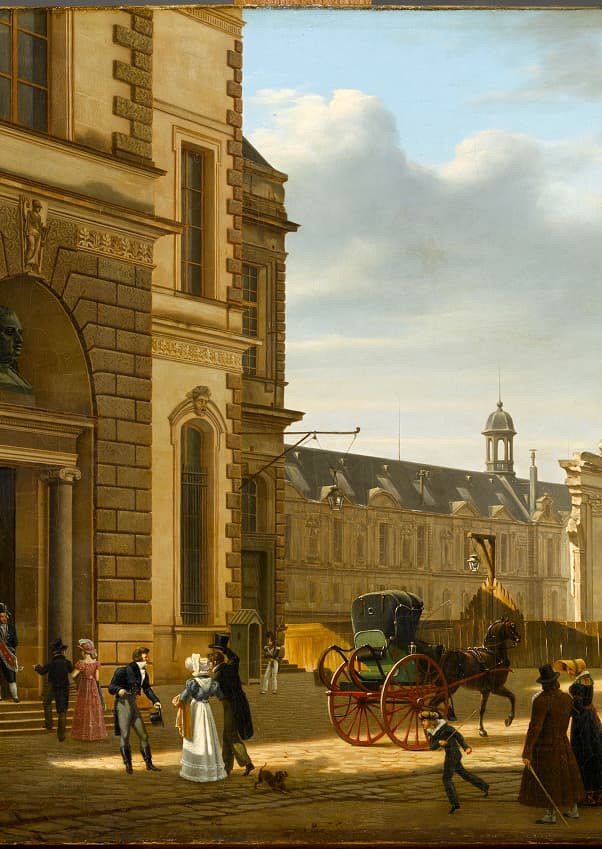
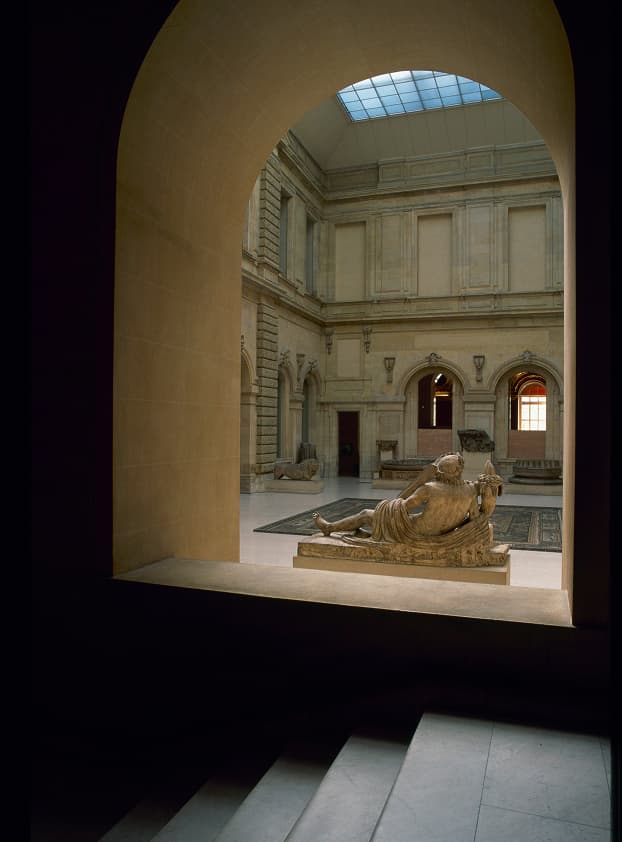
The name ‘Cour de la Reine’ (Queen’s Courtyard) first appeared in 1652, when the architect Louis Le Vau designed the apartments surrounding the courtyard for Queen Anne of Austria. Following a fire in 1661, Le Vau was then commissioned to rebuild the sections of the building which had been destroyed and designed a façade which remains one of the courtyard's most notable features to this day. With the arrival of the Royal Academy of Painting and Sculpture at the Louvre in 1692, the courtyard became François Girardon’s studio and was filled with sculptures.
Then, following the museum's opening in 1793, the courtyard gradually came to house monumental sculptures, including the Great Sphinx of Tanis, from which it derives its current name. Under Napoleon III, two new buildings were constructed which formed the north-west corner and permanently enclosed the courtyard.
It was only in 1934, when it was covered with a glass roof, that the courtyard took on the appearance we know today. And so the Cour du Sphinx became the museum’s first covered courtyard and a full-fledged exhibition space.

1652–1692
Queen Anne of Austria’s courtyard

1692–1721
Monsieur Girardon’s ‘little garden’
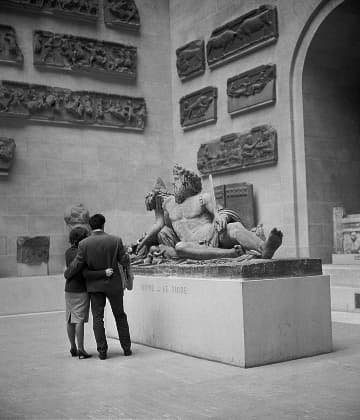
1793–1826
A museum courtyard
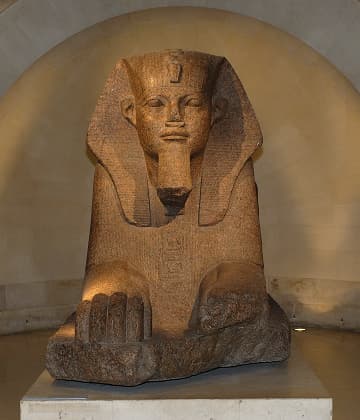
1826–aujourd'hui
The Cour du Sphinx
In 2026,
you could change the course of history!
The Great Sphinx of Tanis hasn't been housed in the Cour du Sphinx for 200 years. It’s high time that the courtyard was given a new name!
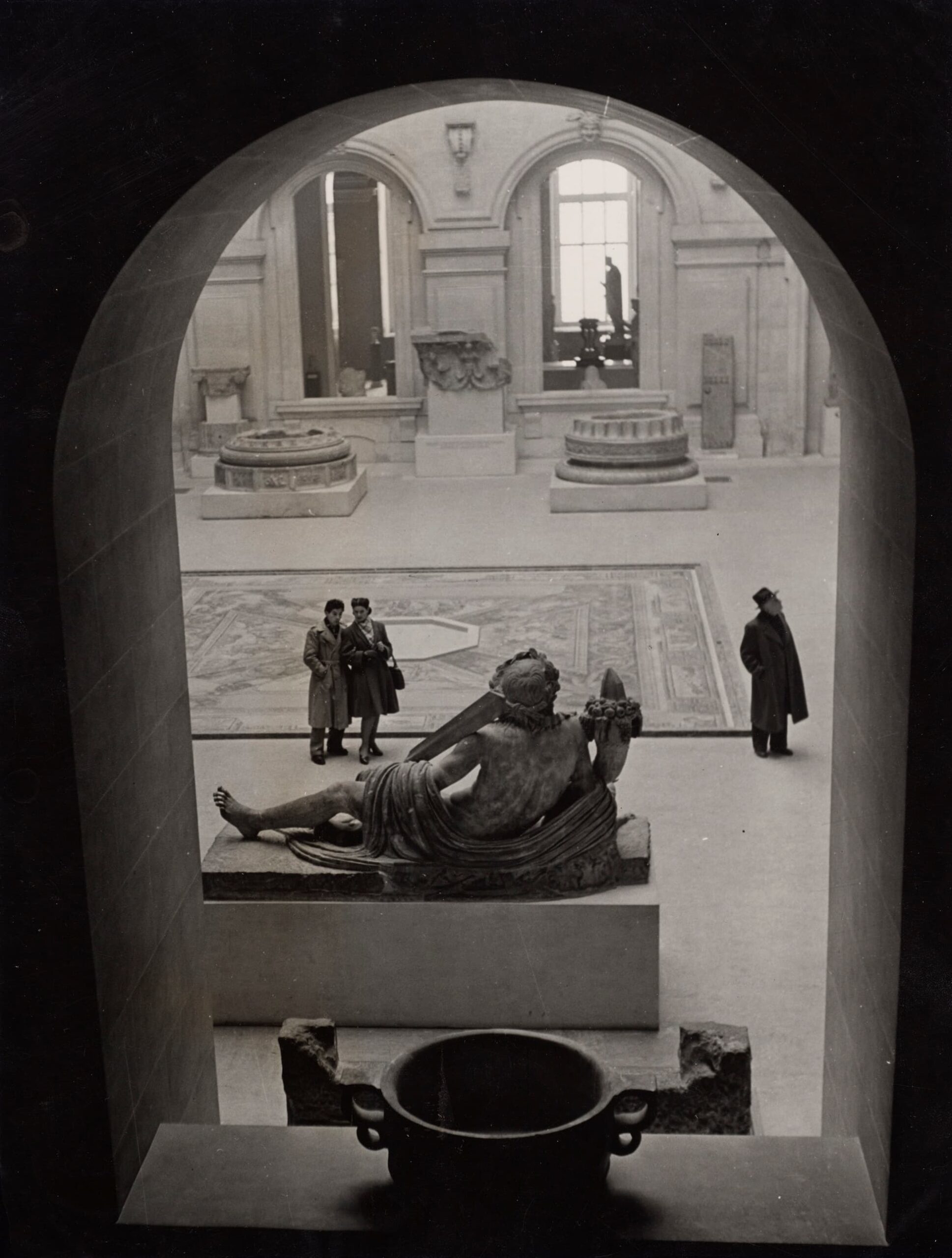
A part of the redesigned Roman visitor trail
The collection of works on display in the Cour du Sphinx changed significantly during the 20th century. Originally conceived of as a space for displaying pieces from Asia Minor, works from across the Roman Empire were gradually added.
Today, the diverse origins of the works displayed in the courtyard are a key part of the new visitor trail. The expansion of the Roman Empire was accompanied by the spread of monumental sculpture to even the most remote regions, where it gave rise to works that blended local iconography with Roman styles.
From Antioch in Asia Minor, to Greece, to Carthage in North Africa, many far-flung Roman territories produced original works, an illustration of the convergence of local traditions and Roman influences.
Project milestones
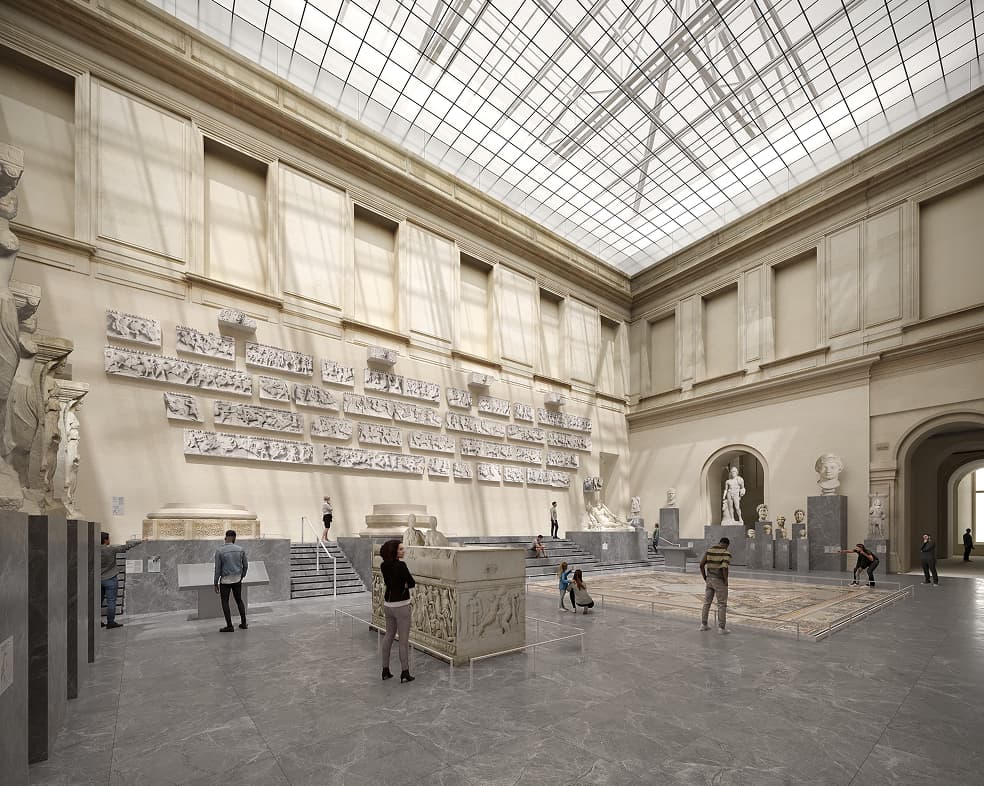
The restoration of the Cour du Sphinx will be carried out under the supervision of Michel Goutal, chief architect for Historical Monuments in France.
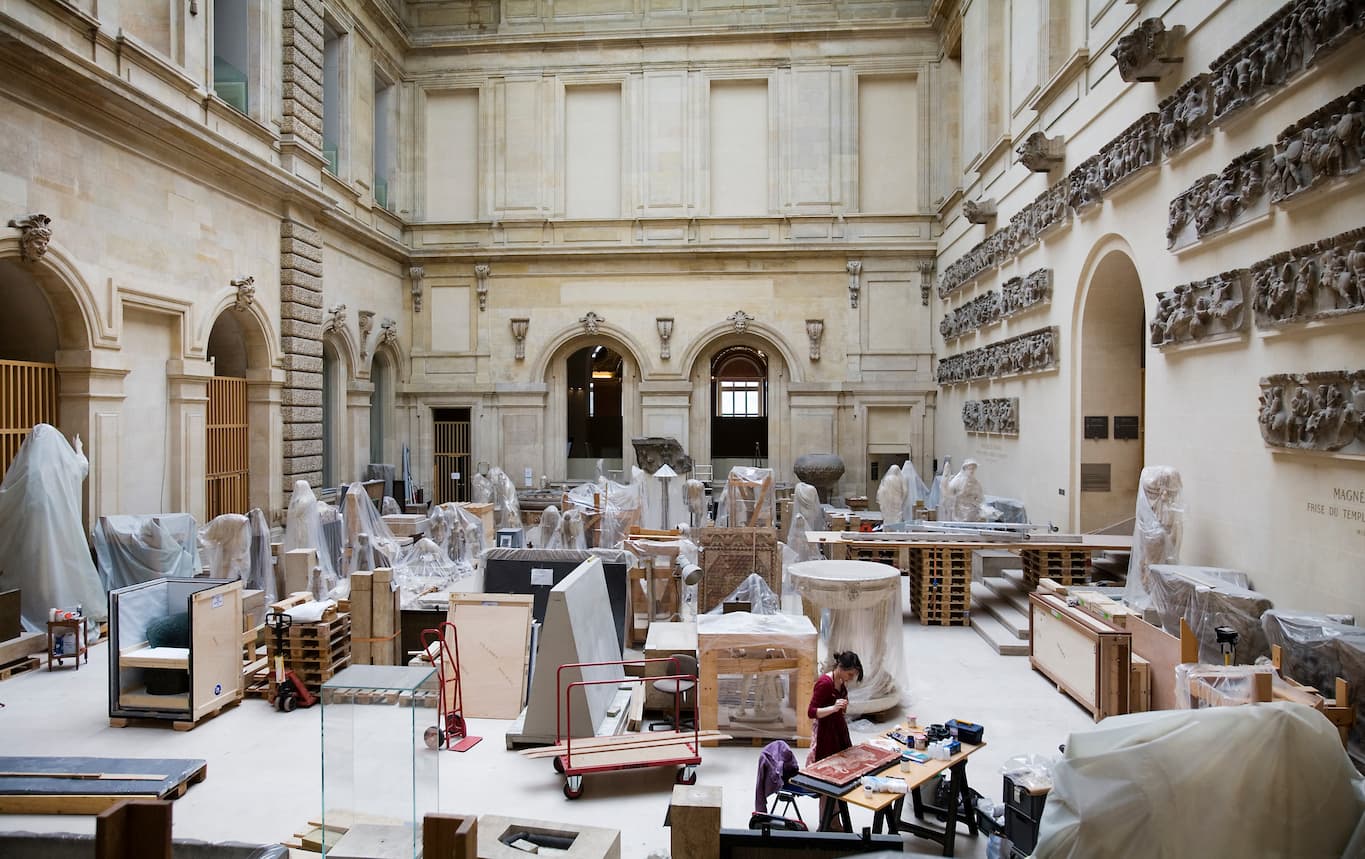
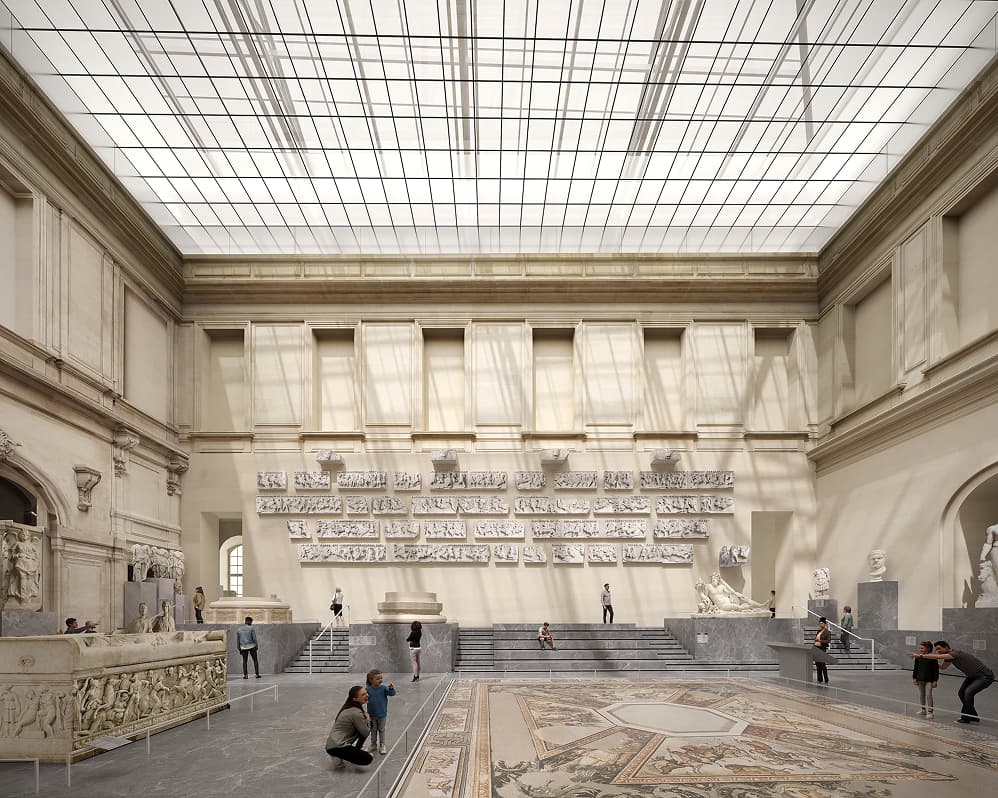
The architectural firm WHY-BGC will be responsible for the exhibition design. The current glass roof, which was installed in 1934, suffers from leaks, is difficult to maintain and provides insufficient ventilation. As part of the restoration, it will be completely replaced by a new structure, which will double the glazed area and incorporate a free-cooling system: a form of natural ventilation well-suited to the courtyard's height that provides passive cooling. This work will take into account modern climate and conservation concerns. Its aim is to provide a more stable environment for the artworks, to reduce energy consumption and to make the area more comfortable for visitors.
The façades, including Le Vau’s monumental façade, will undergo restoration to address water damage. The flooring will also be fully refurbished, with new paving and technical upgrades to help ensure visitors’ comfort.
All of the restoration work will highlight the contrast between the 17th- and 19th-century walls.
A need to grow with the times
The challenges facing the Cour du Sphinx have changed significantly since the courtyard was first covered a century ago. Today, more current matters such as environmental, educational and safety issues need to be addressed.
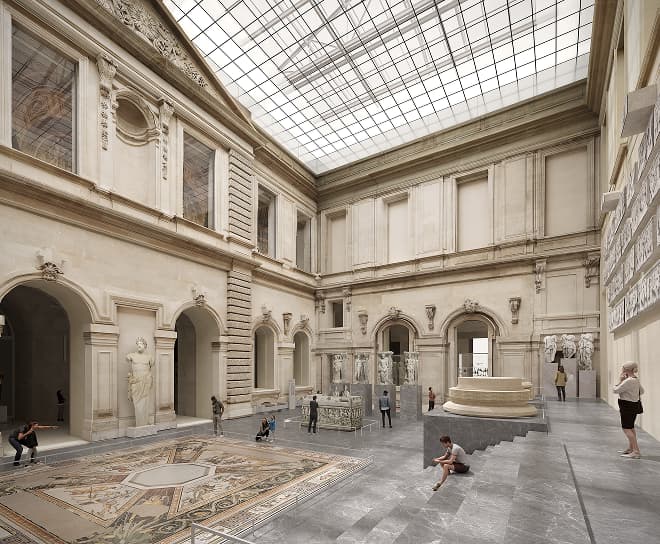
The courtyard in the spotlight
The new glass roof, which will replace the one dating from 1934, will be fitted with a natural ventilation system to help protect the artworks and provide a pleasant visitor experience.
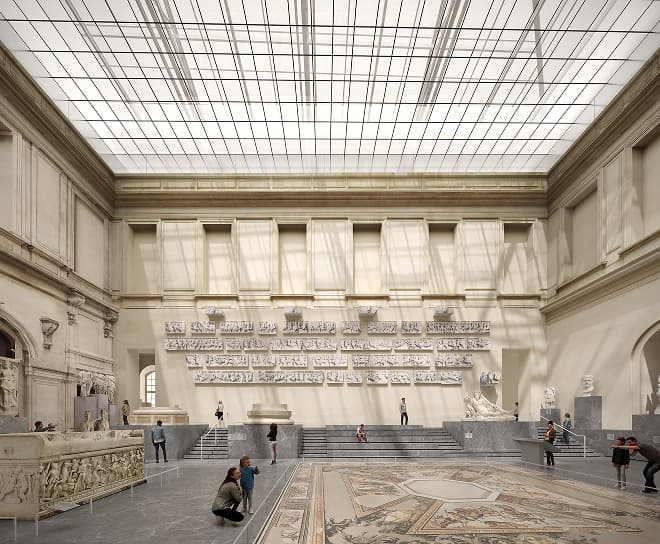
A welcoming space for all
Located within the museum's busiest wing, the courtyard has been designed as a peaceful space and an ideal spot for visitors to stop for a break.
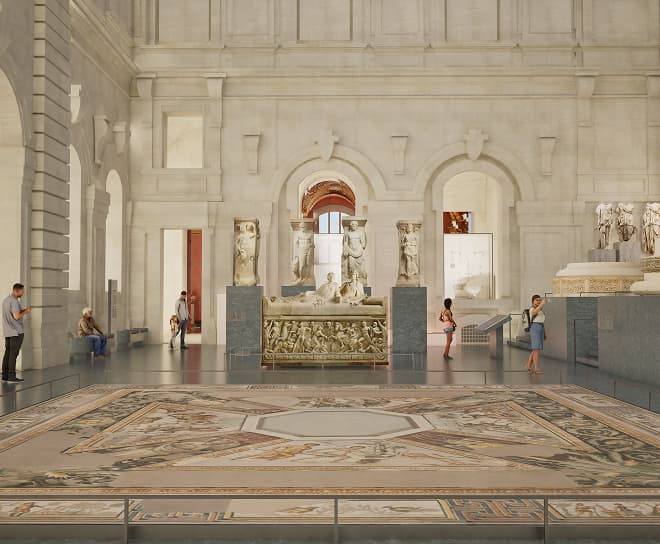
Public outreach put first
New outreach initiatives will offer a fresh perspective on this space by presenting its history and how it has evolved over time, as well as that of the collection it houses.
What your contribution will help to highlight
The reopening of the Cour du Sphinx will allow visitors to rediscover the works it has housed for several decades, as well as new works that will be incorporated into the new Roman visitor trail.
© 2020 Musée du Louvre, dist. RMN - Grand Palais / Hervé Lewandowski
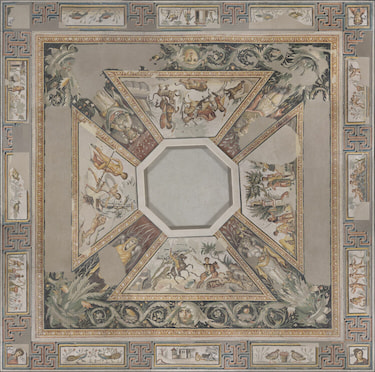
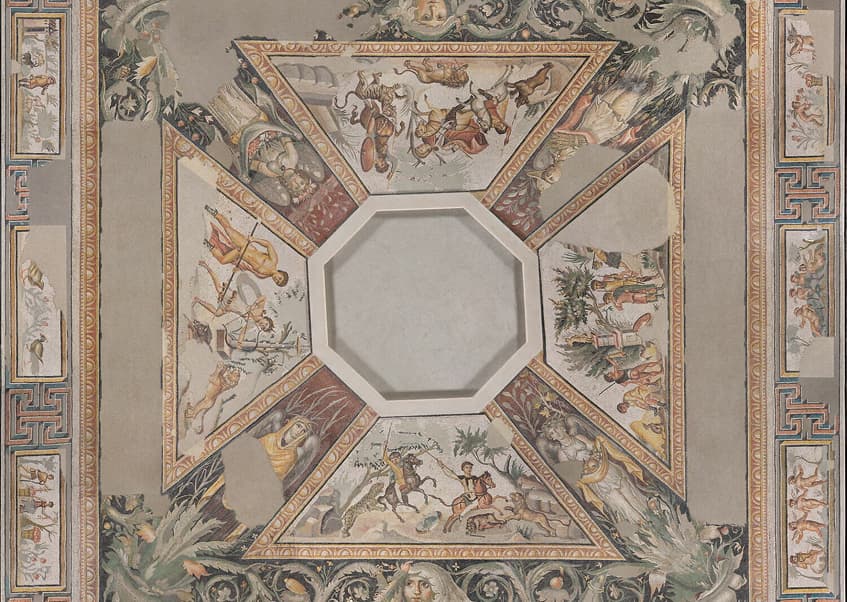
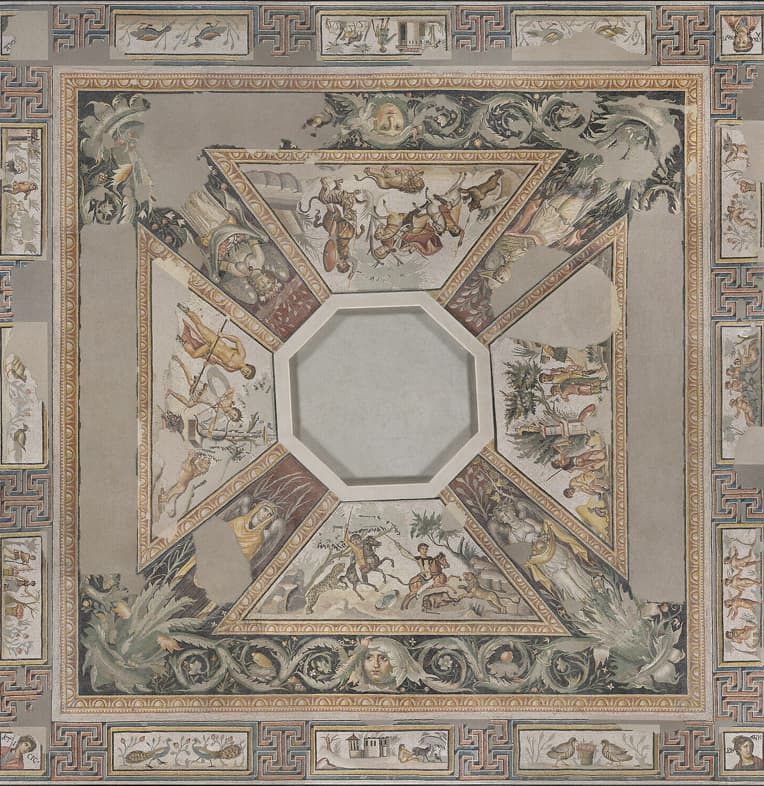
The Mosaic of the Seasons
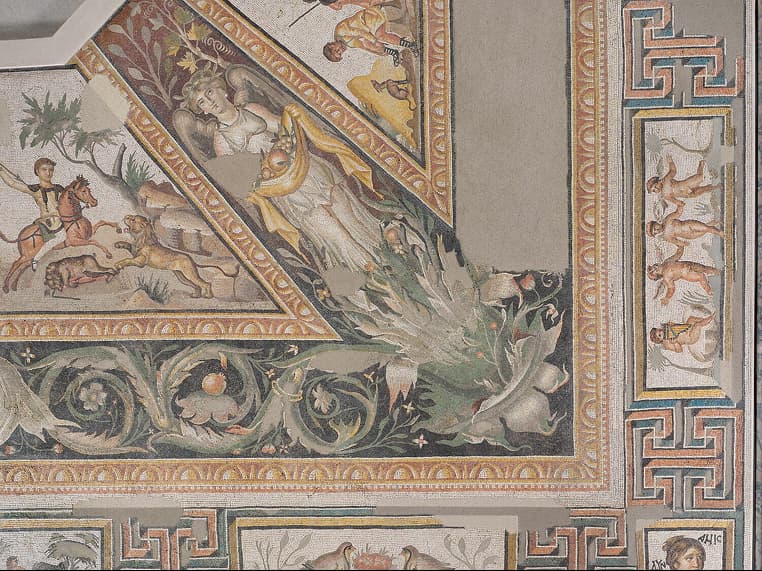
Discovered in 1935 in the residential area of Daphne, near Antioch, this mosaic once adorned a large 4th-century Roman villa. Arranged around a central pool, it depicts the four seasons as winged female figures, surrounded by hunting scenes and a rich floral motif. Crafted from tesserae of marble, stone, glass and even gilded glass, it is a testament to exceptional craftsmanship.
The mosaic itself underwent conservation treatment between 2018 and 2019 which revealed the full depth of its colours and subtlety of its details, making it one of the masterpieces of the Louvre’s Roman antiquities collection.
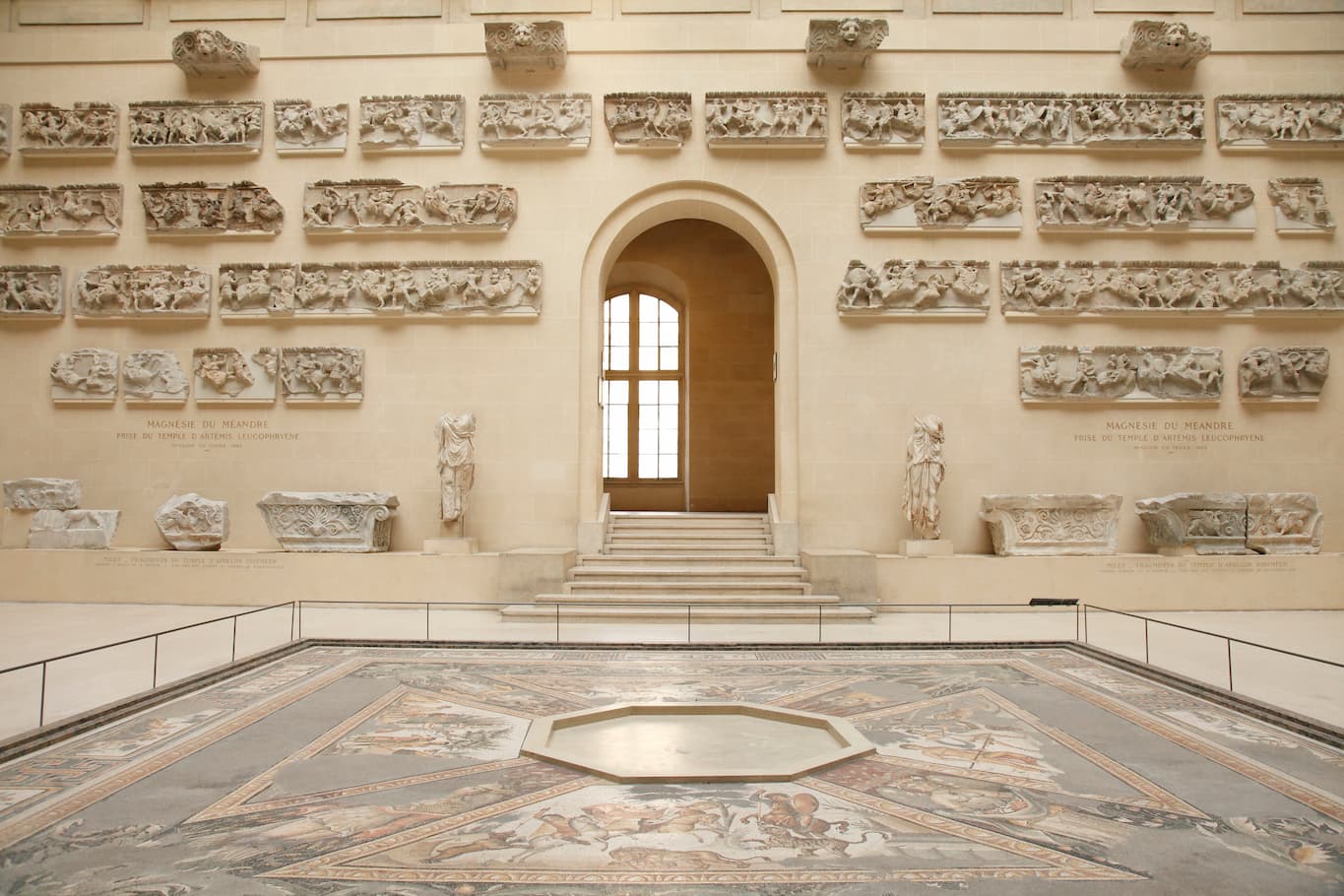
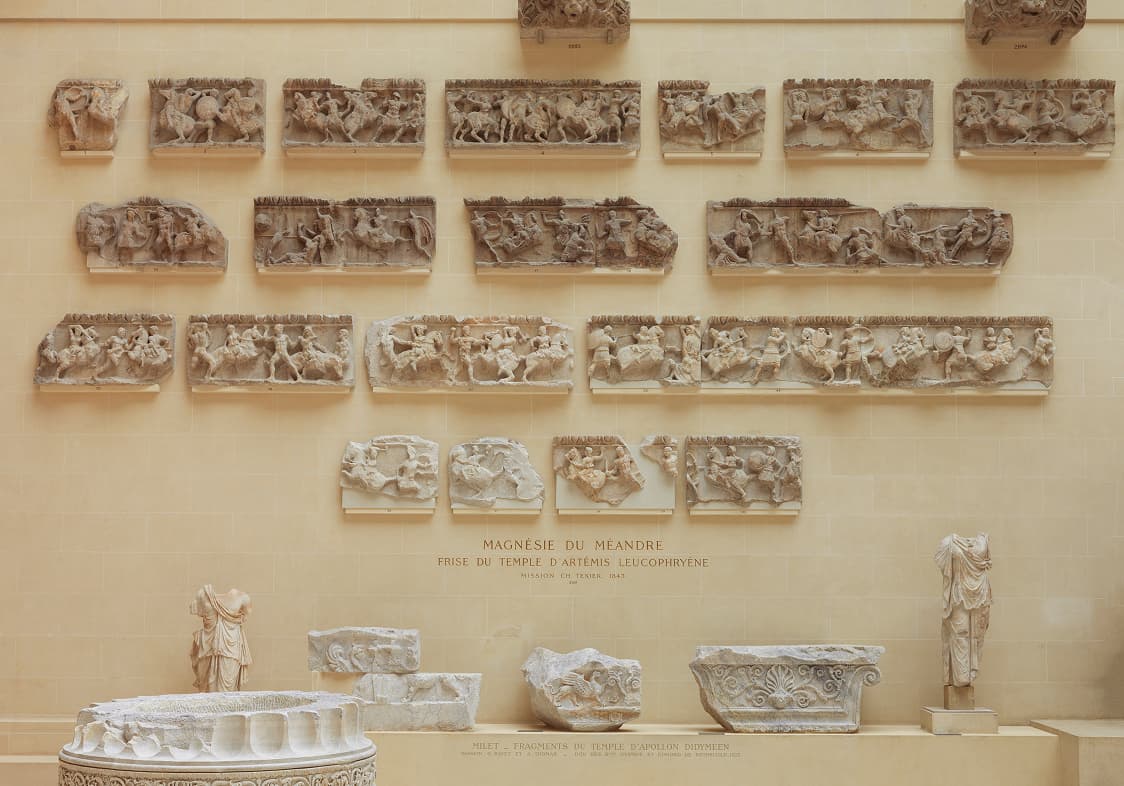
Frieze from the temple of Artemis at Magnesia on the Maeander
This frieze is one of the best-preserved depictions of an amazonomachy from antiquity. An amazonomachy, a major iconographic theme in Greek and Roman art, depicts a battle between the Amazons, a mythical people of female warriors, and various heroes, such as Herakles, who is shown here. Originally intended to adorn the temple of Artemis Leukophryene in the 2nd century BC, it is considered the longest frieze from antiquity. The Louvre now holds 42% of it: 41 panels and a corner block.
© Musée du Louvre, dist. RMN - Grand Palais / Philippe Fuzeau
© akg-images / Paul Almasy
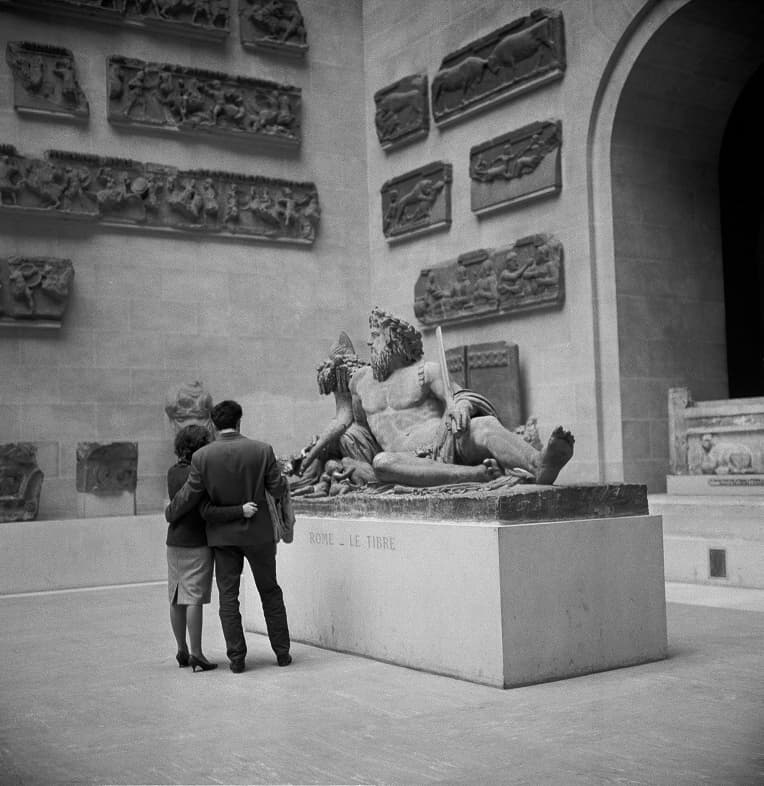
The statue of Tiberinus
This monumental Roman sculpture depicts the god of the river Tiber as a bearded, reclining man in the prime of life, in keeping with the traditional iconography of river deities. He holds an oar, a symbol of navigation, and a horn of plenty, which represents the riches that the Tiber brings to Rome. At his feet, a she-wolf suckling Romulus and Remus evokes the city’s founding myth. Carved from Pentelic marble, this statue once adorned a fountain in the temple of Isis in Rome, where it formed a pair with a statue of the Nile. Discovered in 1512, it was acquired by the Louvre in 1797 and has remained there ever since, becoming one of the most famous depictions of Tiberinus in ancient art. It will be returned to its place in the Cour du Sphinx when the courtyard reopens.
Two centuries ago, the Great Sphinx of Tanis was an iconic part of the history of this courtyard – as are these artworks today. Could they inspire its new name? Make your suggestion!
Proposer un nom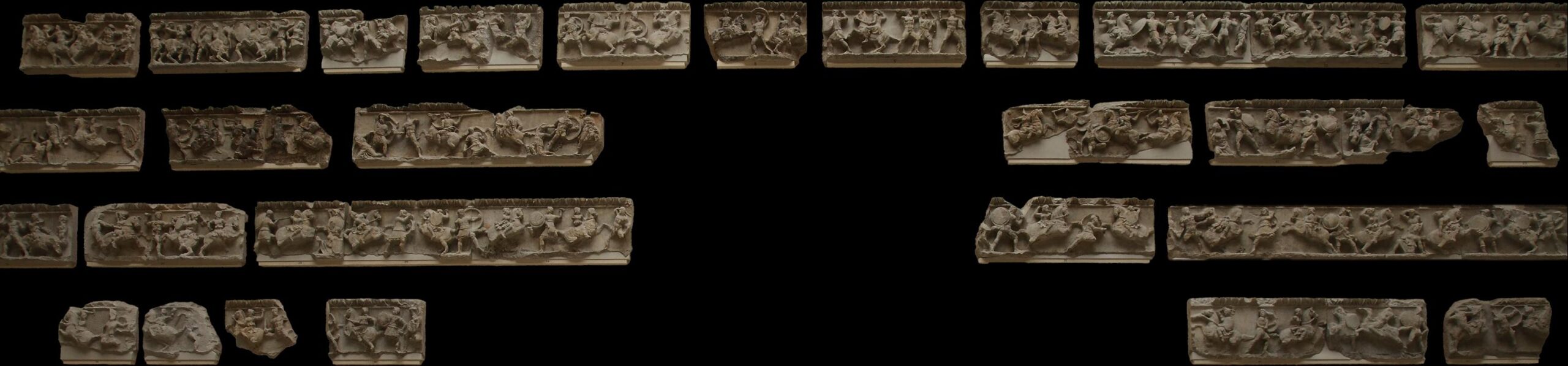
Your donation:
a key contribution
Be a part of restoring this landmark location which occupies pride of place in the Roman antiquities collection. The Louvre aims to raise €800,000 to support this restoration. Help us make it happen!